





A sensory-friendly classroom is easy on the eyes and ears, runs to a predictable routine and has a quiet place to take a break, and most of the changes that get you there cost nothing. This checklist is for teachers, teaching assistants (TAs) and SENCOs (special educational needs coordinators) who want an autism-friendly classroom that works for every pupil, including children with special educational needs (SEN). It goes sense by sense, then through the busy parts of the school day, and ends with a printable checklist.
Most sections start with free changes, then equipment for the pupils who need it. Short of time? Jump to the checklist, or browse our sensory equipment for schools.
Light: glare, flicker and lamps
- Check for glare. Sit in a few pupils’ seats at different times of day. If sun bounces off the board, a screen or a desk, move the desk, tilt the screen or lower a blind.
- Report flicker and hum. Adults soon tune out a flickering or buzzing light, but some pupils notice it all day. Ask the site team to fix it.
- Keep the daylight. Lower blinds to cut glare, then raise them when the sun moves round.
- Switch off what you do not need, such as the bank of lights nearest the windows, and turn down the board brightness if it glares. If a pupil has a visual impairment or lip-reads, ask their specialist teacher first: they may need more light.
- Add a lamp to the reading area or calm corner for softer light. Battery lamps avoid trailing cables.

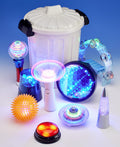
- Dark Den Calming LED Disc Lamp: a 70mm LED mood lamp whose controller sets colour, brightness and effect: pick one colour and keep the flash and strobe effects switched off. It takes 3 x AAA batteries, not included. Often ordered by schools and nurseries.
Sound: noise levels, signals and ear defenders
The aim is not silence, just less background hum and fewer sudden noises.
- Agree voice levels from 0 (silent) to 3 (outdoor voice), put the scale on the wall and point to the level for each task.
- Signal instead of shouting. A raised hand, a clap pattern or a chime, the same every day.
- Soften hard surfaces. Rugs, curtains and pinboards soak up some sound (check any fabric is fire-retardant), and felt pads on chair and table legs cut the scraping.
- Switch off the hum of projector fans, desk fans and anything else you are not using.
- Close the door to corridor noise, and seat pupils who find noise hard away from it.

- Children’s Ear Defenders: one of the products schools order most from us. Light at 160g, with a padded headband, they fold neatly for storage and have a single number rating (SNR) of 23.4 dB. Choose from four colours; the product page lists them for ages 6 months to 16 years.
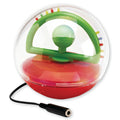
- No Yell Bell: a 220mm electronic bell that plays one of seven sounds, such as a hand bell or applause, when tilted, and stops when stood upright. The volume adjusts, and the 4 x AAA batteries are included. Choose one gentle sound, not the alarm, and keep the volume low.
Keep ear defenders within reach, give regular users their own named pair, and practise wearing them at a quiet time first. If the child has an occupational therapist (OT), ask them when ear defenders suit that child.
Displays and visual clutter
You do not need bare walls, just fewer and tidier displays.
- Keep the front wall plain. Pupils look at the board most, so keep that wall for the visual timetable and today’s learning, and put displays on the side and back walls.
- Use one muted backing colour and simple borders, so the pupils’ work stands out.
- Take down what is finished, from last term’s topic to faded posters, and hang nothing from the ceiling.
- Label storage with words and pictures so pupils can find and put away resources themselves.
- Cover open shelves with plain, fire-retardant fabric during lessons, and clear desks of anything the task does not need.
Seating and movement
- Offer a choice of seats. Some pupils want the edge of the room, a seat near the door or their back to a busy area. Ask, then keep it the same.
- Plan movement breaks: handing out books, taking a message, a stretch between tasks. Many schools also run a short sensory circuit first thing in the morning.
- Allow standing to work at a high table or counter for part of a lesson.
- Make carpet time flexible. A spot at the edge, a cushion or a chair at the back all count as joining in.

- ‘Wobble’ Air Cushion, small: an inflated, textured cushion in blue, 350mm across, to sit on. Often ordered by schools and nurseries.
- Sit On Wedge: a 260mm square wedge for sitting on the floor.
Browse our wobble cushions and sensory seating, or see our guide to fidget toys for school for quiet fidgets that keep hands busy at the desk.
Smell and touch
- Cut strong smells. Air fresheners, diffusers, scented hand gel, perfume and cleaning sprays all linger. Choose unscented where you can.
- Uniform and clothing. Some pupils find labels, seams or a tie hard to wear all day. If a family raises it, look together at what your uniform policy allows.
- Warn before touch. Use a pupil’s name, not a tap on the shoulder, to get their attention, and ask before you guide their hand.
- Offer tools for messy work: gloves, a brush or a spatula for glue, paint and clay. Let pupils watch first, and never insist on touching.
- Give space at the end of a line or the edge of the carpet, away from bumps.
Routines and time
Many autistic pupils like to know what is coming next. Show the day, and warn before it changes.
- Put up a visual timetable in pictures and words at pupils’ eye level. Go through it each morning and tick off each part as it ends.
- Use now and next. For pupils who find the whole day too much to take in, a small desk board showing just “now” and “next” is enough.
- Show time passing with a sand timer on the desk or a countdown timer on the board.
- Warn before changes: five minutes and one minute before a task ends, and as early as you can about supply teachers, visitors, trips and room changes.
- Keep arrival, registration and home time the same every day.

- Large Sand Timer: a 160mm tall timer with moulded end caps and a colour for each length: red is 30 seconds, green 1 minute, pink 2, yellow 3, blue 5 and orange 10 minutes. Often ordered by schools and nurseries.
- Twist Time Timer: twist it to set up to 90 minutes, and it counts down in digits and segments. It is silent apart from its alarm, and its magnetic back holds it on a metal surface such as a magnetic whiteboard. At 85mm across, it suits a desk or small group. It needs 1 x AAA battery, not included, and is not suitable for under 3 years.
See all our visual timers and organisers.
A calm space
A calm space is a small, quiet spot where a pupil can choose to take a short break, then come back to work. It is never a punishment or a time-out.
- Put it out of the walkway, away from the door and the board, where an adult can still see.
- Keep it simple: a beanbag or cushion, soft light, a timer and two or three tools the pupils have chosen.
- Teach it to everyone while the class is settled: how to ask, how long to stay and how to come back.
- No space? A box of a few tools and ear defenders, taken to a quiet table, works too.

- Exploration Bean Bag: a bead-filled bean bag that moulds to the user’s shape, in wipeable PVC-coated polyester. The small size is 500mm across and the medium 700mm, in 14 colours. It is made in the UK, so allow about 20 days for delivery.
Our guide to setting up a calm corner in the classroom goes through it step by step, and Zones of Regulation explained shows how a calm corner can hold a class zones toolkit.
Busy times: lining up, assemblies, lunch and fire drills
Some of the hardest moments happen outside the classroom. Warn pupils in advance and plan a way out.
- Lining up: a set place at the front or back, or a job such as holding the door.
- Assemblies: a seat at the end of a row near the door, ear defenders if the pupil uses them, and an agreed way to leave.
- The dining hall: going in before the rush, a quieter table or somewhere smaller to eat.
- PE changing: a quieter corner, a little extra time, or coming to school in PE kit if your policy allows.
- Fire drills: ask whoever plans them for notice, so you can warn the pupils who need it. A real alarm gives no warning, so also practise the route on a quiet day and agree a personal emergency evacuation plan (PEEP) with the SENCO for any pupil who needs one. Keep ear defenders by the door for an adult to pick up.
- Special days: photographers, performances, sports day and non-uniform days. Put them on the timetable and talk them through the day before.
Working with pupils and families
Pupils are the experts on what bothers them. Ask them, and their families, before you buy anything.
- Ask the pupil. “What is the hardest part of the classroom for you? Where do you like to sit? What is too loud or too bright?” Some pupils would rather point to pictures or draw a map of the room.
- Ask the family what they see before and after school, and what works at home.
- Write it down on a one-page profile, so every adult, including supply staff, knows.
- Review it each term and after any big change, such as a new teacher.
- Involve the SENCO, and if the child has an OT, ask them which changes suit that child.
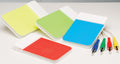
- Sensory Fan: a fan of nine symbols for hot, cold, bright, taste, noisy, messy, crowded, smell and uncomfortable, so a pupil can show you what is bothering them. Age 3+.
Questions teachers ask
What is a sensory-friendly classroom?
One where light, sound, displays, seating and routines are set up with sensory differences in mind: less glare and clutter, fewer sudden noises, a predictable day, a choice of seats and a quiet place to take a break. Most of the changes make the room easier for everyone, not only pupils with SEN.
How do I make my classroom autism friendly?
Start with predictability: a visual timetable, warnings before changes and the same routines every day. Then work through the sensory side with the checklist below, and ask your autistic pupils and their families what they find hard. Every autistic child is different, so their answers matter more than any list.
Does a sensory-friendly classroom cost much?
Most of this checklist is free: moving desks, taking down old displays, agreeing a quiet signal and warning before changes. Ear defenders, visual timers and wobble cushions can come later, for the pupils who need them.
Can our school order on a purchase order?
Yes. In the basket, answer “Yes” to “Ordering for a school or organisation with a purchase order (PO) number?” and type your PO number, which goes on the invoice. At checkout, choose “Purchase Order (Schools & Nurseries)”. Our schools and nurseries page has more on ordering.
More guides
Printable sensory-friendly classroom checklist
Print this page or save it as a PDF from your browser’s print menu.
Light
- Check for glare from pupils’ seats at different times of day.
- Report flickering or buzzing lights to the site team.
- Lower blinds to cut glare, then raise them again.
- Switch off lights you do not need, unless a pupil needs them.
- Add a lamp to the reading area or calm space.
Sound
- Agree voice levels and put the scale on the wall.
- Choose one quiet signal instead of shouting.
- Fit felt pads to chair and table legs.
- Switch off humming equipment you are not using.
- Keep named ear defenders where pupils can reach them.
Space, seating, smell and touch
- Keep the wall around the board plain.
- Use one muted backing colour and simple borders.
- Take down finished and faded displays.
- Label storage with words and pictures.
- Offer a choice of seats, then keep them the same.
- Have a wobble cushion or a standing spot ready.
- Cut strong smells from sprays, diffusers and scented gel.
- Ask before you touch a pupil or guide their hand.
Routines and time
- Put up a visual timetable and go through it each morning.
- Give pupils who need one a now and next board.
- Use a visual timer for tasks and breaks.
- Warn five minutes and one minute before a change.
- Tell pupils early about supply teachers, trips and visitors.
Calm space
- Choose a corner out of the walkway, in sight of staff.
- Add a beanbag or cushion and a soft lamp.
- Keep two or three chosen tools and a timer there.
- Teach the whole class how to use it.
- Never use it as a punishment.
Busy times
- Give pupils a set place or a job when lining up.
- Seat pupils who need it near the door in assemblies.
- Ask about early entry or a quieter table at lunch.
- Plan a quieter place to change for PE.
- Ask for notice of fire drills and warn pupils.
- Agree a PEEP for any pupil who may need help to leave.
- Put special days on the timetable in advance.
Pupils and families
- Ask each pupil what bothers them and where they like to sit.
- Ask families what they notice at home.
- Write it on a one-page profile for all staff.
- Talk to the SENCO, and the OT if there is one.
- Review it every term.


