





The Zones of Regulation sorts feelings and energy levels into four colours, blue, green, yellow and red, so that children can learn to notice how they feel and choose a tool or strategy for that moment. Every zone is expected, and none of them is “bad”. This guide is for teachers, teaching assistants (TAs), special educational needs coordinators (SENCOs) and parents. It explains the four zones in plain words, shows how schools use them and suggests Zones of Regulation resources for each zone, with tips for building a zones toolkit.
The Zones of Regulation is a published framework created by Leah Kuypers. Explore Your Senses is not connected with it and does not sell the official curriculum or books. Our Zones of Regulation resources are everyday sensory tools that we have sorted by zone colour, to use alongside whatever your school already does.
What is the Zones of Regulation?
The Zones of Regulation is a framework for teaching self-regulation: noticing how your body and feelings are changing, and knowing what you can do about it.
Children learn that everyone moves through all four zones, and that they can choose a tool or strategy for the zone they are in. A tool might be a fidget, but many need no equipment: a drink of water, a stretch or a few slow breaths.
The framework’s authors are clear that it is not a way of managing behaviour or getting children to comply, and that staying in the green zone is not the aim.
The four Zones of Regulation colours
Here is each zone in plain words. The feelings are only examples; two children can feel the same zone differently.
- Blue zone: low energy and low alertness. A child might feel tired, sad, bored or lonely.
- Green zone: even energy and settled feelings: a child might feel happy, focused, calm or content. It is handy for learning, but no better than any other zone.
- Yellow zone: energy is climbing and feelings are getting bigger: a child might be worried, frustrated, excited or wriggly. Most of the time they still feel in charge of what they do.
- Red zone: the very top of the energy scale, with the biggest feelings of all, which can be joyful as well as angry. The priority here is keeping everyone safe until the child feels more in charge again.
Remember: there are no bad zones. The skill is noticing the zone and choosing what to do next.
How schools use the zones
These ideas are easier when all adults use the same words.
- Morning check-ins. Children show their zone as they arrive, by pointing to a colour, holding up a card or telling an adult quietly. Keep check-ins private if a child prefers.
- A zones display. The four colours, a few feelings words for each and photos of the tools the class has chosen, at children’s eye level.
- A toolkit for each class or child. A small box or bag of tools, labelled by colour (see below).
- Stories and PSHE. In personal, social, health and economic (PSHE) education, circle time or story time, ask which zone a character might be in and what tool they could choose.
- Adults naming their own zones. “I’m in the yellow zone because the printer has jammed, so I’m taking three slow breaths.”

A Feelings Fan is handy for check-ins: 12 faces with matching words, such as excited, worried, cross and sad, so a child can point instead of explaining. Age 3+. A calm corner can hold the class toolkit: see our guide to setting up a calm corner in the classroom.
Blue zone resources
In the blue zone, energy is low. Some children like something lively: a movement break, a light to watch or something that vibrates. Others, feeling sad or lonely, want comfort and an adult nearby. A drink of water or a walk to the office count as blue zone tools too, and our guide to sensory circuits has movement ideas.

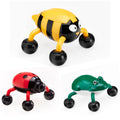
- Vibrating Animal / Bug Massager: a hand-held massager in three characters that vibrates when switched on. One of the products schools order most from us. Age 3+. It needs 2 x AA batteries and should be used under adult supervision.
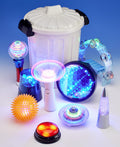
- Flexi Design Spinning Light: push the bendy clear tubes into different holes, switch on and watch a spinning pattern of light. It is 150mm high and the 3 x AAA batteries are included. One of the products schools order most from us.
- Light Up Spinner Selection: an LED spinner, a Flexi Spinner and a hand-held Prismatic Projector. The hand-held spinners are 200mm high and come with their 3 x AAA batteries. Age 3+. One of the products schools order most from us.
- Vibrating Jungle Animals: a soft plush tiger, elephant or giraffe, 140mm high, that vibrates when you pull its tail. Buy one or the set of three. Often ordered by schools and nurseries.
See all our blue zone resources.
Green zone resources
The green zone is a good time to try out and practise tools, while a child is settled enough to think about them. Timers help here too: knowing how long an activity lasts makes the day more predictable.

- Large Sand Timer: 160mm high and sold by length, each in its own colour: red for 30 seconds, green for 1 minute, pink for 2, yellow for 3, blue for 5 and orange for 10 minutes. Often ordered by schools and nurseries.
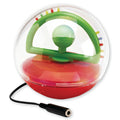
- Sensory Timer Selection: a liquid visual timer, an oozy gunge timer and a wavy timer, 100mm to 130mm high, that show time passing with oil and water droplets. Age 3+. Often ordered by schools and nurseries.
- Tactile Sequin Weighted Lap Pillow: a plush pillow of about 1400g that rests on the lap at story time, with sequins that turn from blue to gold when stroked. Often ordered by schools and nurseries.
- Let’s Talk Cubes: six sturdy 4cm foam cubes with conversation-starter prompts, for one-to-one or group work. Age 5+.
See all our green zone resources.
Yellow zone resources
In the yellow zone, energy and feelings are climbing, but a child can often still choose a tool for themselves. Tools here give busy hands and bodies something to do. Keep quiet fidgets on desks, save louder ones for breaks, and pair them with strategies such as slow breathing.

- Fidget Cube: six sides with a switch to flip, a dial to spin, buttons to press, gears to roll, a joystick and a worry-stone side to rub. Three of the buttons click and two press silently. Often ordered by schools and nurseries.
- Giant Water Wriggler: a squidgy 38cm tube of shimmering liquid that wriggles away as soon as it is squeezed. One of the products schools order most from us. It is not suitable for children who may bite or pierce it, and is for use under supervision.
- Wobble Air Cushion: a textured, inflated cushion, 350mm across, that sits on a chair seat. It can also be stood on for balance activities, with an adult nearby and clear space around it. Often ordered by schools and nurseries.
- Twisty Ribbed Vibrating Snake: a flexible, ribbed massager that bends into shape and gives a gentle vibration. It needs 2 x C batteries. Often ordered by schools and nurseries.
See all our yellow zone resources, or our guide to fidget toys for school for more quiet desk fidgets.
Red zone resources
In the red zone, feelings are at their strongest and the first job is safety: fewer words, more space, a quiet place and a trusted adult nearby. This is not the moment to teach a new tool. Keep a few familiar ones ready in the quiet space, and leave out heavy or hard items if the child throws things when upset. If a child often reaches the red zone at the same time of day, look at what comes just before it.

- Children’s Ear Defenders: 160g and foldable, with an attenuation value of SNR (single number rating) 23.4 dB, and listed as suitable from babies over 6 months to 16 years old. One of the products schools order most from us.
- Weighted Sensory Snake: a soft plush snake holding about 1.7kg of beads, which can lie across the shoulders or sit coiled on the lap. Often ordered by schools and nurseries.
- Telescopic Popping Giraffe: a chunky giraffe, 150mm long before stretching, with arms and legs to pull and pop and sucker pads to stick them together. Age 3+. Often ordered by schools and nurseries.
- Stretch ’n’ Smash Animals: a heavy, very stretchy gorilla, sloth or panda to pull and squish, which squashes back into shape. Age 3+.
- Chewy Chew Buddy Stick Man: a 95mm stick man chew pendant for children who are not aggressive chewers, with a safety lanyard. Often ordered by schools and nurseries. We recommend all chews are used under constant adult supervision. For hard biters, choose a tougher chew.
See all our red zone resources.
Building a Zones of Regulation toolkit
A zones toolkit is a small set of tools a child or class can reach for in each zone, chosen by the child and tested while they are settled.
- Try tools in the green zone. Offer a few things over several days and ask: “How does your body feel with this?” If the child has an occupational therapist (OT), ask them which activities suit that child.
- Let the child choose. Keep the tools they want to use again.
- Keep it small. One or two tools per zone is plenty, plus strategies that need no equipment, such as slow breaths or a stretch.
- Label it. Coloured dots, photos or symbols help the child find the right tool quickly.
- Keep it where it is used. On the desk, in the calm corner or in a bag that moves between rooms, and tell every adult where it lives.
- Review it each half term. Children change, and so do the tools they like.

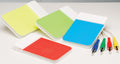
To start from a ready-made set, our Zones of Regulation Colour Coded Exploration Bag splits a selection of sensory tools into four drawstring bags, one for each zone colour: the yellow bag, for example, holds a Wrist Squigglet and a Squeezy Banana. It is often ordered by schools and nurseries. For a whole class, the Zones of Regulation Discovery Tub holds a bigger mix, including a heat-up Cosy Warmer sloth, which should be warmed and used with an adult. Both are our own selections of everyday sensory tools, not part of the published framework.
Using the zones at home
Using the same words at home and at school means a child does not have to learn two systems.
- Ask school what they use. The colours, feelings words and tools your child already knows.
- Name your own zones. “I’m in the blue zone after work, so I’m having a cup of tea.”
- Check in at a quiet time. On the walk home or at teatime, not in the middle of an upset.
- Keep zones and consequences separate. “You’re in the red zone” is a description, never a telling-off.
Common mistakes to avoid
- Using the red zone as a punishment. Sending a child away “for being in the red zone”, or taking away playtime for it, risks teaching them to hide strong feelings.
- Expecting green all day. Nobody stays in one zone all day. The aim is to notice the zone and choose a tool, not to rush back to green.
- Turning it into a behaviour chart. Public charts that move names up and down rank children in front of their classmates.
- Choosing tools for the child. A tool the child dislikes will sit unused in the box.
- Taking tools away as a sanction. Ear defenders or a fidget are part of a child’s support, not a privilege.
Questions teachers ask
What are the 4 zones of regulation?
Blue, green, yellow and red. Blue means low energy, such as feeling tired, sad or bored. Green means a steady, settled state, such as feeling calm or happy. Yellow means rising energy and bigger feelings, such as worry or excitement. Red means the very biggest feelings, which can be joyful as well as angry.
Is the red zone bad?
No. The framework is clear that there are no bad zones. Everyone reaches the red zone sometimes, and it can include very happy feelings as well as angry ones. What matters is staying safe in the moment.
What age is the Zones of Regulation for?
The framework’s website says it is for learners of all ages, and its curriculum is written for learners aged 4 and over. The framework is designed to be adapted, so with younger children you might use more pictures and fewer words.
What should go in a zones toolkit?
One or two tools for each zone that the child has chosen and tested while settled, plus strategies that need no equipment. For example: a vibrating toy for blue, a timer for green, a fidget or wobble cushion for yellow, and ear defenders or a weighted snake in a quiet space for red. Label each tool by colour.


