

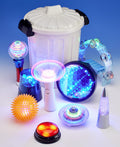

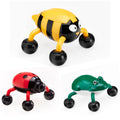

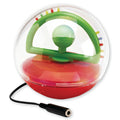
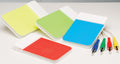


Good toys for an autistic child aged 2 or 3 are sturdy, simple toys that give the same clear reward every time: a squeak, a spin, a pop, a splash or a glow. Many autistic toddlers love cause and effect, things to squeeze and feel, and water play, and they often play for longest when an adult joins in quietly beside them. Every toy in the main lists below carries an age mark that includes under-3s. A separate section covers sensory toys for a 3 year old with autism that are marked 3+.
Treat the ages here as a loose guide. Some autistic children stay with baby toys for longer and others race ahead in one area, and both are fine. The age mark on a toy is different: it is there for safety, so we have kept to it for every pick. For more ideas, browse our baby and toddler sensory toys and check the age mark on each one.
What to look for in toys for autistic toddlers
- An age mark that fits. For a two-year-old, look for 12 months+, 18 months+ or 2 years+. Toys marked 3+ often have small parts, so save them until after the third birthday, and for longer if your child still mouths toys.
- A quick, clear reward. Toddlers are discovering that they can make things happen. A toy that answers straight away when it is pushed, patted or shaken keeps that link easy to see.
- Tough and washable. Toys at this age get thrown, dropped, chewed and taken into the bath. Chunky pieces and wipe-clean surfaces last longer.
- Control over noise and light. Some children want the loudest, brightest toy in the room. Others cover their ears at a sudden squeak. Watch how your child reacts, and choose toys where they decide when the sound starts and stops.
- Not too many at once. A few toys on a low shelf are easier to choose from than a full toy box. Swap them round every week or two so old favourites feel new again.
Cause and effect toys
A cause and effect toy does something the moment your child acts on it. For many autistic toddlers, that dependable link between “I did that” and “look what happened” is the whole point of the game.

- Rainbow Pounder: a pounding bench with a small hammer. Children tap the bright pegs through, then flip the bench over and go again. It measures 230 x 110 x 100mm and is marked age 12 months+.
- Rainbow Spin Again: fit the spindle into the base, add the coloured discs and see each one twirl down the spindle to the base. Marked age 12 months+.
- Fast Flip Racetrack: a crafted wooden racetrack where the cars race down and flip over one another. It is 31.7cm wide and 28.3cm long, for age 18 months+.
- Sensory Pop-Up Tissue Box: made for toddlers who love emptying the tissue box. Soft fabrics float out as they are pulled, and the other sides have a peek-a-boo bunny, a hedgehog panel, a 3D flower and a pull-through grid. Age 12 months+.
There are more in our cause and effect toys, though many of those are made for older children, so check each age mark.
Light and sound
Many of our light-up toys are not marked for under-3s, so the picks here are softer and simpler. Every one has an age mark that includes toddlers.

- Squeekaboos: three sounds in one animal toy. Shake it for jingle bells, squeeze it for a squeak and rub it for a crinkle. Choose a giraffe, elephant, bee or rabbit. 190mm long, age 0 months+.
- Tsum Tsum Light Up: a small, soft Disney character. Pat it or give it a gentle squeeze and its cheeks light up as it chuckles or squeaks. Characters vary. Age 0+.
- Giddy Guinea Pigs: a pair of super-soft guinea pigs, 160mm in size. Press the button and they squeak to each other. Age 12 months+.
- Pound ’N’ Tap Xylophone Bench: hammer a ball through and it tumbles down over the xylophone, which also pulls out to play on its own. The wooden mallet is included. Age 12 months+.
- Mystery Sensory Mirror Balls: six shiny stainless steel balls, 100mm across, that look the same but behave differently. Some wobble, some refuse to roll in a straight line and some rattle. Ages 0+.
- Twilight Buddies Bunny: a cuddly bunny that projects a starry night sky onto the ceiling and walls, with a 45-minute sleep timer. Many families use it at bedtime. Ages 0+.
Touch and texture
Squeezing, rubbing and squashing are how many toddlers explore. If your child avoids some textures, put a new one next to a favourite toy rather than in their hands, and let them choose what to touch.

- Cuddle Bell Ball: an unusually shaped soft ball to hug and squash. A bell inside rings whenever it moves. 200mm across, age 12 months+.
- Discovery Ball Activity Set: nine pairs of textured balls, each 75mm across, in a black feely bag. Pull one out and feel for its partner. Age 12 months+.
- Washable Sensory Balls: six bright balls, each with a different texture, and some of them make a noise. The largest is 150mm across. Age 18 months+.
- Inny Bin: six chunky shapes, each with its own texture, to push in and pull out through the elastic bands of a cube. Age 18 months+.
- Soft & Squeezy Critter Blocks: light, bouncy blocks with rounded corners and friendly animal faces, to stack, toss and sort. They are soft, chewy and easy to clean. Age 6 months+.
Early fine motor toys
Pushing, pulling, twisting and posting all build strength in small hands. Keep it playful: at this age the aim is fun, not getting it right.

- Spike the Fine Motor Skills Hedgehog: 12 colourful quills in red, orange, green and purple to push into Spike’s back and pull out again. The quills store inside him, and he measures 15cm. Age 18 months+.
- Tracy the Fidget Triceratops: ten ways to fidget, including a wheel to spin, feet that twist and click, and a lever to move. Age 18 months+.
- Sensory Snap Beads: 12 lumpy, bumpy beads that are easy to grip, snap together and pull apart. Age 12 months+.
- Snap-n-learn Counting Cows: tactile cows that snap together and pull apart, with colours and numbers to talk about later. Each cow is 95 x 45 x 50mm. Age 2 years+.
- Wooden Lacing Jewels: chunky beechwood beads, each with a double-sided gem that catches the light, plus 3 laces. Popular last Christmas. Age 18 months+.
Bath and water play
Water is a favourite for many autistic toddlers: it moves, splashes, pours and feels different every time. Stay within arm’s reach whenever your child is in or near water.

- Water Whirly: four separate water toys that snap together to make one bigger one. Age 12 months+.
- Pip Squigz: three textured suction toys with a rattle inside. They stick on by suction, so they work in the bath, on the high chair or out and about. Each is 50mm across and 100mm long. Age 6 months+.
- Twisty Droppers: four curly droppers that suck up water and squirt it out again, or puff out air when the ball is squeezed. 160mm long, age 2+.
- Sensory Tray Play with Lid: a tray to fill with water, sand or anything else for messy or small world play, with a silicone lid to keep the contents for next time. Age 18 months+.
Sensory toys for autistic 3 year olds
These toys are all marked 3+, so they are only for children who have had their third birthday. If your child still mouths toys, wait a little longer.

- Sensory Bumble Ball: it moves in erratic directions, full of movement and sound. One of our best sellers last Christmas. Marked age 3+. Batteries needed: 3 x AA.
- Hand Clappers: give it a shake and the hands clap: a cheery sound for very little effort. 180mm long, popular last Christmas. Age 3+.
- Mini Humming Top: a colourful tin top that hums as it spins. Lift the handle up and down quickly to get it going. Popular last Christmas. Age 3+.
- Natural Touchy Feely Basket: a wicker basket of wooden massagers, a loofah, brushes and more to roll and rub over hands and arms. Age 3 years+.
- Attention Autism Bucket Starter Set: a bucket with a lid and four toys to start bucket time with: a pop tube, a telescopic robot, a squeaky octopus and wind-up chattering teeth. Age 3+.
When your child is ready for more, our guide to the best toys for autistic 4 and 5 year olds picks up from here.
Playing together
Toys are a way in, not the main event. Sitting close, copying your child and waiting are often what turns a toy into shared play.
- Copy first. If your child bangs, bang too. If they spin a wheel, spin one next to them. Being copied is often the very first turn-taking game. Musical Nature Friends give you three sounds to swap: blow the owl whistle, rub the frog’s tummy and press the monkey’s head. Age 24 months+.
- Take short turns. Say “my turn”, have a quick go, then hand it back with “your turn”. The Pound ’N’ Tap Xylophone Bench works well for this: one ball each, then hand over the mallet.
- Use faces and voices. The five Feelings Family Hand Puppets are happy, sad, surprised, angry and scared, and three of them have crinkly hair. Make the face, say the word and let your child copy if they want to. Age 18 months+.
- Try a simple bucket time. Put three or four toys from the under-3 lists above (not the 3+ section) into a bucket or box with a lid. Take them out one at a time, show each one off with lots of excitement, then put it away again. The Early Stages Sensory Experiences Basket gives you a ready-made set to use this way, including a Squeekaboo, a cuddle ball, a space blanket and a juggling scarf. Age 18 months+. Our bucket time kits are marked 3+, so keep those until after the third birthday.
- Match and remember. Once your child is past two, lay a few pairs from the Animal Memory Game face up and find the matches together. It has 14 pairs of wooden counters and is marked age 24 months.
Questions parents ask
Is it too early for sensory toys if we are still waiting for an assessment?
No. A sensory toy is just a toy that does something interesting to see, hear or feel, and every toddler can enjoy one. You do not need a label to start. Notice which toys your child goes back to, and follow that.
My toddler mouths everything. What can they play with?
Choose toys whose age mark includes your child’s age, and go for bigger pieces over small ones. The Soft & Squeezy Critter Blocks, for example, are marked 6 months+ and are easy to clean. Keep anything marked 3+ for later. If you buy a chew toy, we recommend constant adult supervision whenever it is in use.
My child only spins wheels or lines things up. Is that play?
Yes. Spinning, lining up and watching things move are all ways of playing, and they show you what your child enjoys. Join in alongside them. A toy that spins or races, such as the Rainbow Spin Again or the Fast Flip Racetrack, builds on something they already love.
Can toddlers wear ear defenders?
Our Children’s Ear Defenders are listed as suitable from over 6 months to 16 years. They weigh 160g, have a padded headband and fold up small. Before a noisy day out, let your child wear them at home for a few minutes while doing something they enjoy.


